RICK REESE

Email: rick@rickreese.com  •  Home

Rick Reese has spent more than four decades on the bass guitar — not just playing it, but building with it.

A graduate of Berklee College of Music in Boston, Reese developed a style that blends jazz improvisation, funk articulation, and the driving force of rock and roll into something distinctly his own. His work has been recognized by outlets including Billboard, Guitar Magazine, MTV, and CNN, but press has never been the point. From the beginning, Reese treated the bass not simply as a supporting voice, but as a structural one — the foundation from which bands, ideas, and entire creative worlds could rise.

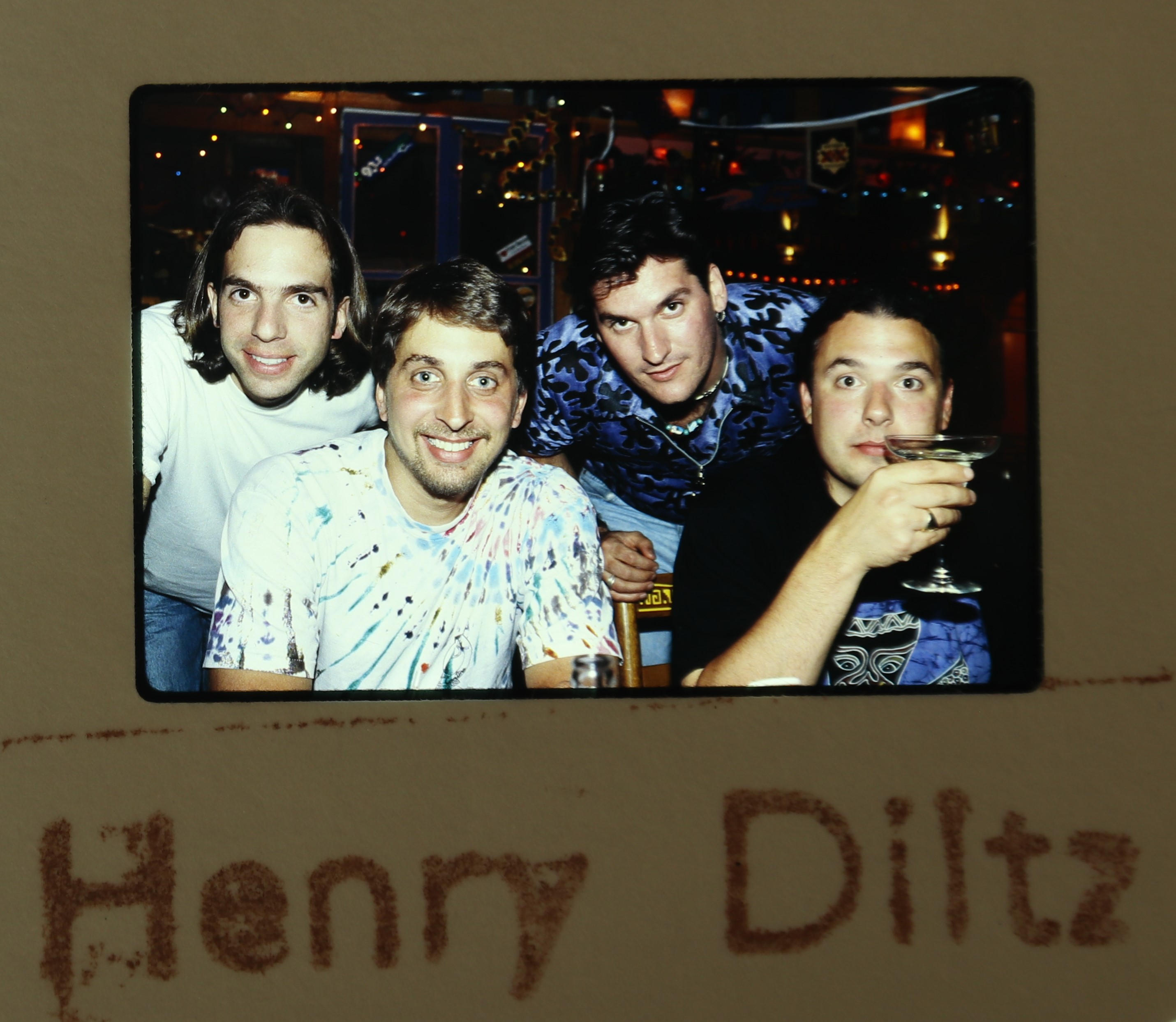
In Boston, Reese became a founding member of the college-radio-driven band SpamParis, earning regional momentum and national recognition as a semi-finalist in Musician Magazine’s “Best Unsigned Band” competition and one of Boston Magazine’s “Best of Boston” selections. It was there that Reese met songwriter and frontman Christopher Hobler, beginning a creative partnership that would form the foundation of everything that followed.
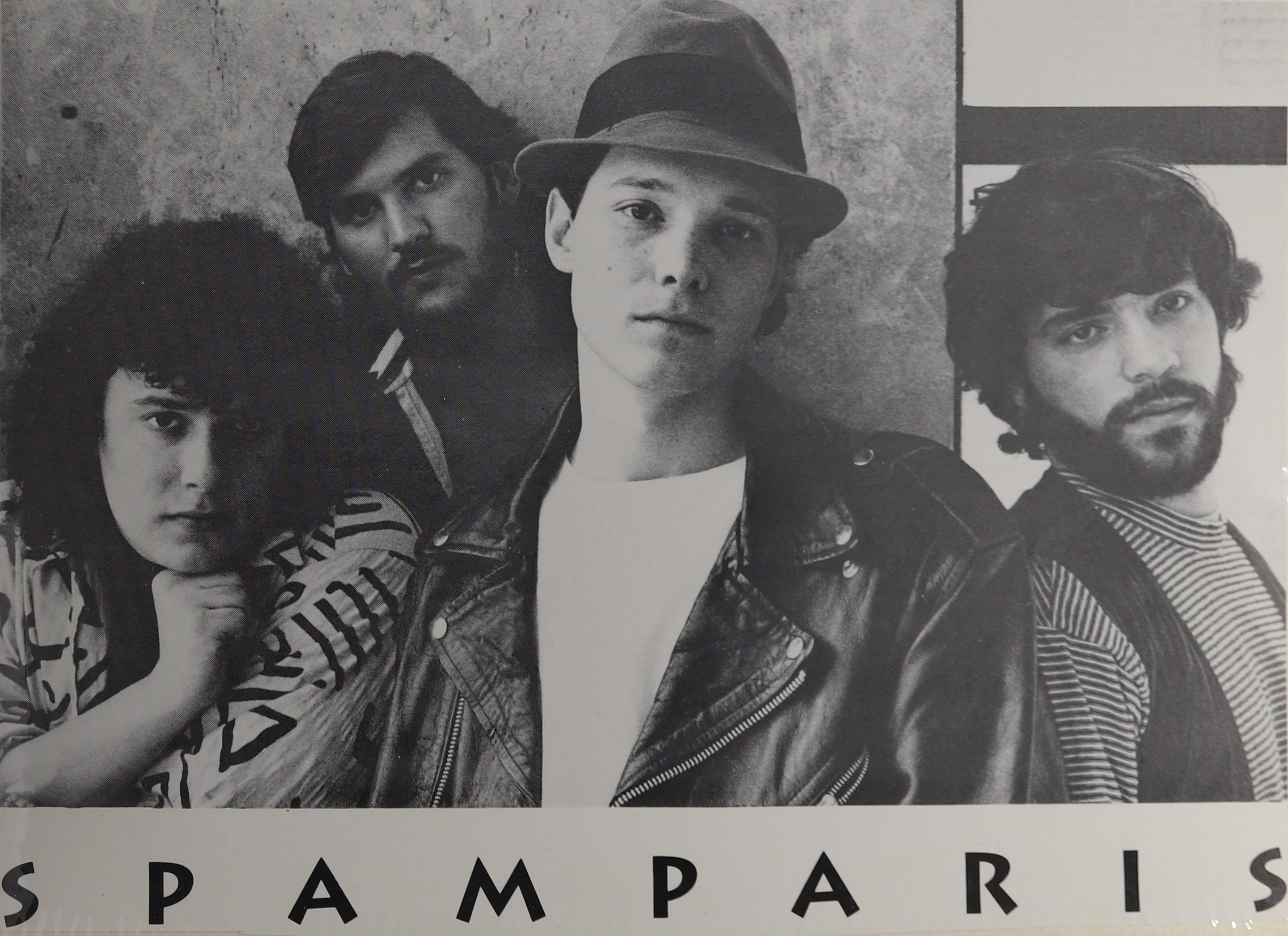
Rick Reese early career performance

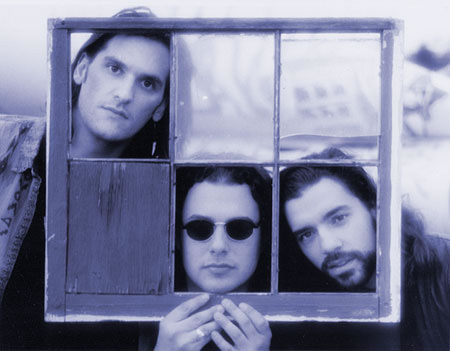
When Reese relocated to New Hampshire in the mid-1990s, that partnership became Sonic Joyride — co-founded by Reese and Hobler and driven by an uncompromising independent spirit. The band released its music through Anomaly Records, the independent label founded by Hobler, with Mike Anderson serving as a key right-hand force and manager within the band’s expanding ecosystem. Reese was not only a core member of the roster; he worked within the emerging digital landscape of the era, contributing to early online marketing and independent outreach efforts at a time when the internet was just beginning to reshape how bands connected with audiences.

That instinct — to build rather than wait — powered what came next.

Early Sonic Joyride
The Cosmic Sled

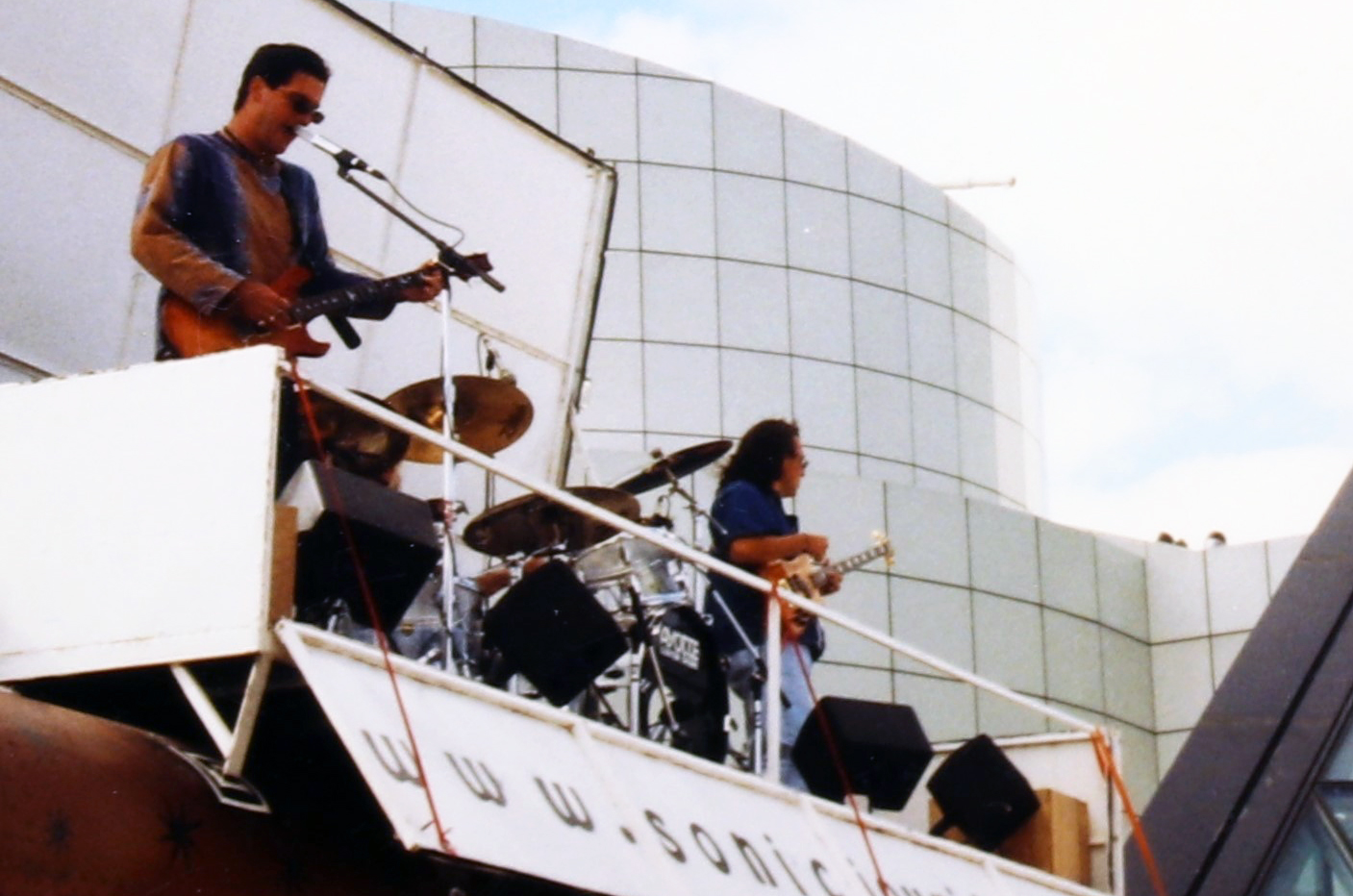
At the center of Sonic Joyride’s most ambitious chapter stood the Cosmic Sled: a custom-welded tour bus transformed into a self-contained production platform, complete with a retractable rooftop stage, powerful sound system, projection screens, lighting rig, and onboard recording capability. It was more than transportation. It was infrastructure — a movable venue that allowed the band to bring full-scale performances directly to communities across the country.

Through the Bizarre Bazaar-era tours, Sonic Joyride logged tens of thousands of miles and hundreds of dates, performing at unconventional landmarks and in towns often overlooked by traditional touring circuits. National media attention followed, including coverage from MTV and CNN, but the momentum was self-generated. The band created its own visibility by showing up, setting up, and playing.

In 2001, that forward motion was interrupted when Christopher Hobler was diagnosed with ALS. Hobler passed away in 2005, leaving behind a body of work and a creative partnership that deeply shaped Reese’s path. The loss marked the end of one chapter — but not the end of the work.

Following the initial Sonic Joyride era, Reese entered a period of deep musical expansion.

Sonic Joyride archival

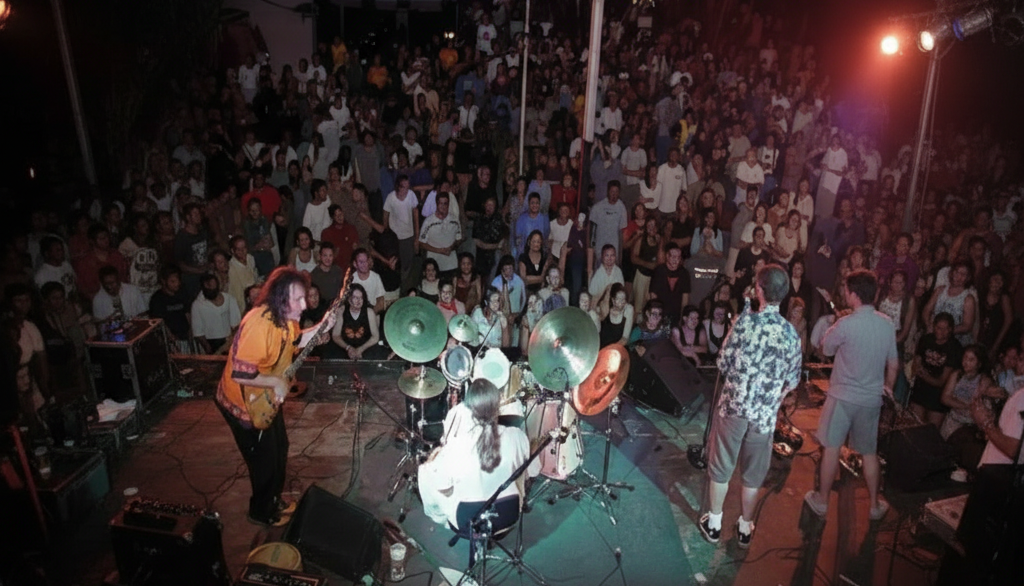
Relocating to St. Petersburg, Florida, he co-founded the band Food — a project that marked a deliberate shift away from radio-driven structure and toward fearless improvisation. Blending funk, jazz, Latin, rock, and extended ensemble interplay, Food became a proving ground for Reese’s evolving musical language. The bass was no longer just driving; it was conversing, stretching, and responding. Night after night, in long-form sets and unpredictable arrangements, Reese refined the improvisational instincts that would later define both his teaching and arranging philosophy.

During this same period, he stepped into a leadership role as Music Director and instructor for Creative Clay, an arts organization serving individuals with developmental and physical challenges. There, Reese developed a hands-on musical curriculum built around expression, ensemble listening, and performance confidence. He led students onto stages throughout the community, reinforcing a belief that music is learned most deeply when it is lived.

The Florida years were not a detour — they were a deepening.

The band Food

In 2007, Reese relocated to Nashville, Tennessee, entering another phase of refinement and endurance. After nearly two decades centered primarily on independently driven original projects, he expanded his range — embracing both the discipline of sideman work and the demands of high-output touring bands.

Approaching material without inherited habits, he rebuilt bass parts structurally, often bringing fresh architecture to familiar arrangements. At the same time, he became a full-fledged member of several hard-touring projects that would define nearly a decade of his career.

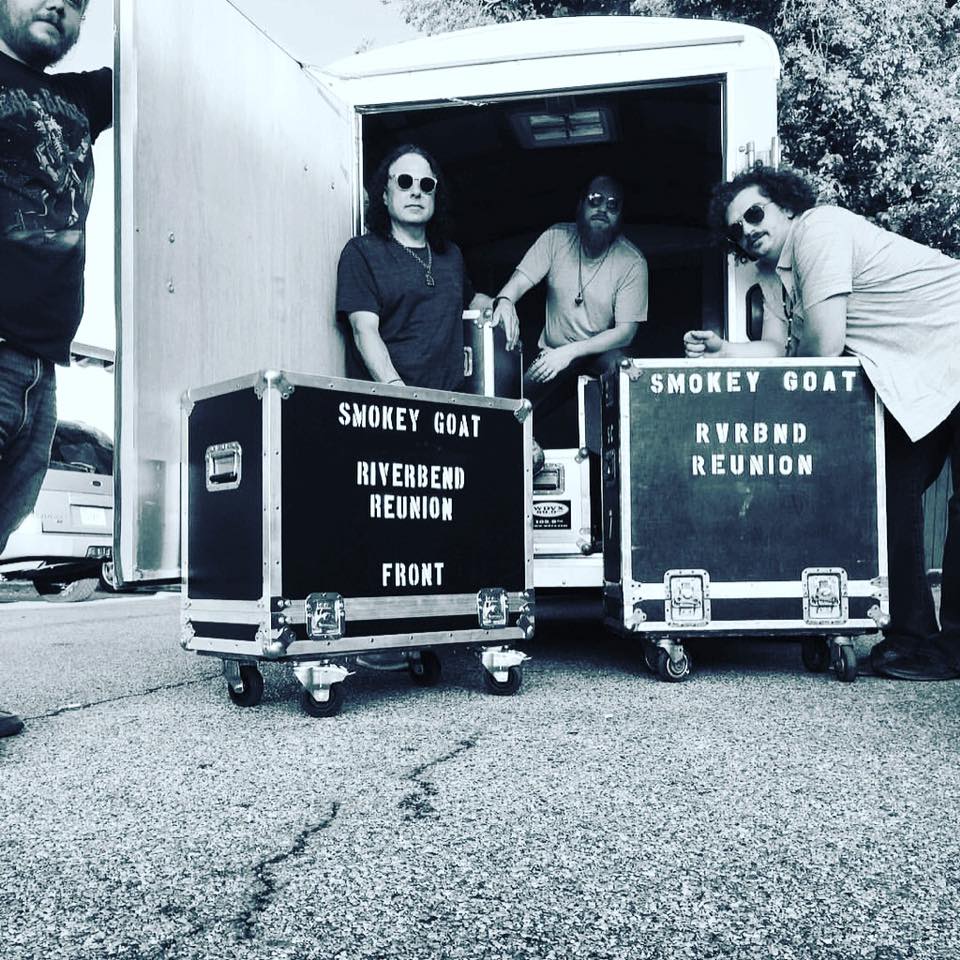
Most notably, Reese performed and recorded with the John Sutton Band, Homemade Wine, and Riverbend Reunion — logging hundreds of shows annually and appearing on major festival stages, including Bonnaroo in 2015. These were not passing collaborations, but sustained chapters marked by relentless touring, tight ensemble chemistry, and professional endurance.

If the early years were about building from scratch, this era was about proving durability.

Today, those decades of experience converge.

Riverbend Reunion

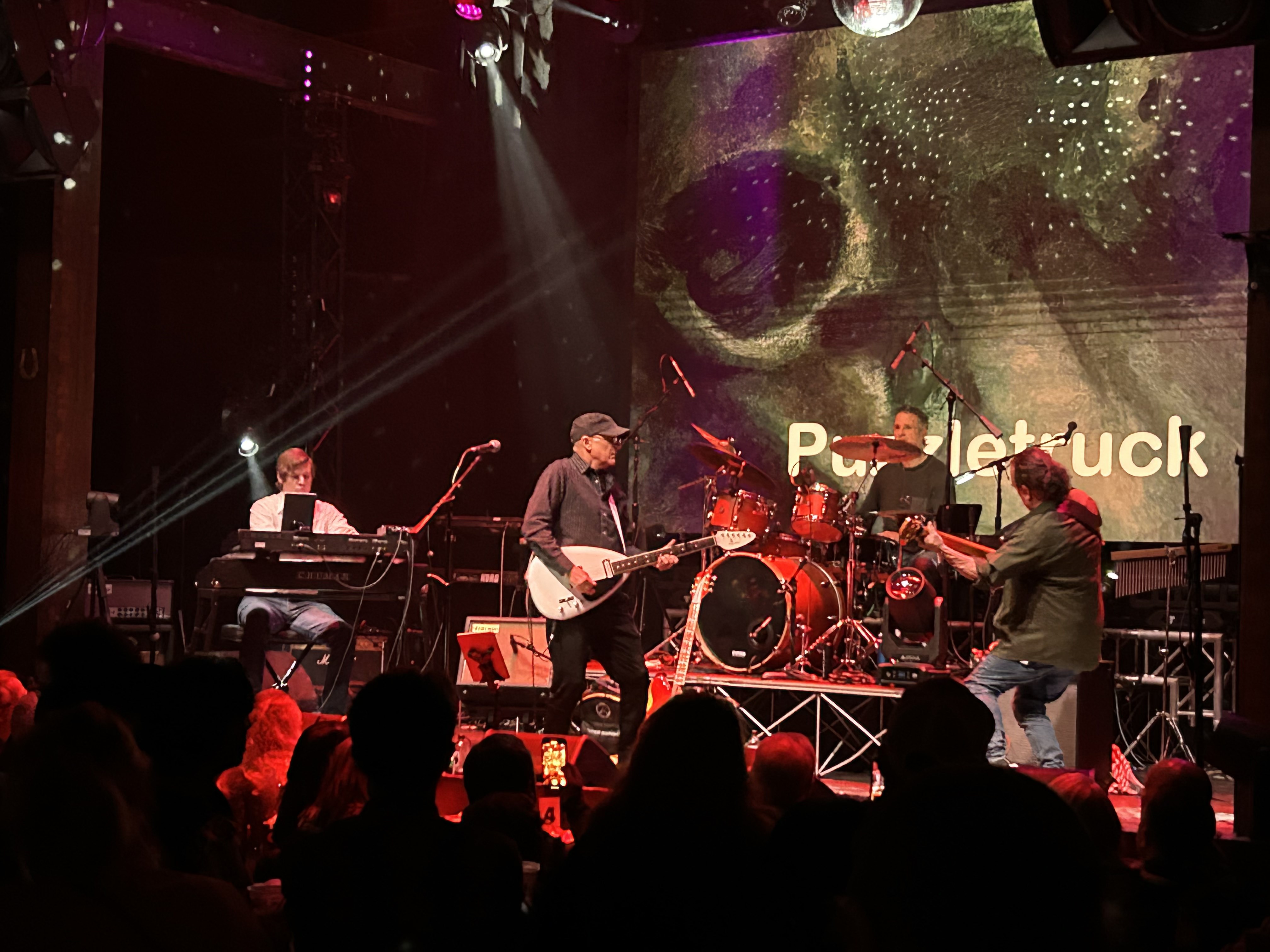
During the pandemic years, Reese joined forces remotely with longtime collaborators Stephen Blackburn and JB Hopkins to form Puzzletruck, a power trio rooted in narrative songwriting and expansive arrangements. Writing and arranging across distance, the group developed a sound shaped by story, improvisation, and structural awareness. By the time live performance returned, Puzzletruck had recorded three EPs and stepped back onto the stage fully realized.

Puzzletruck

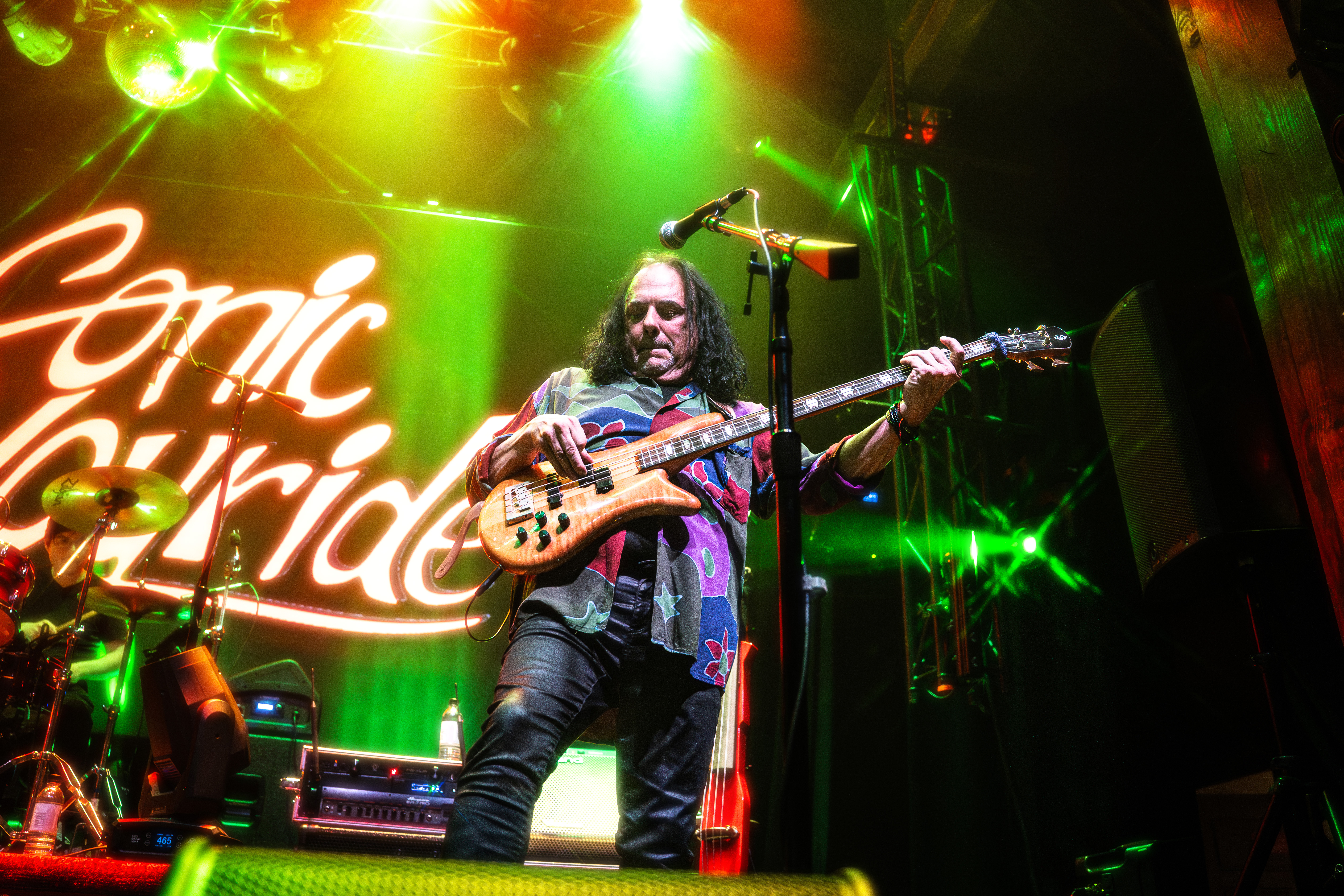
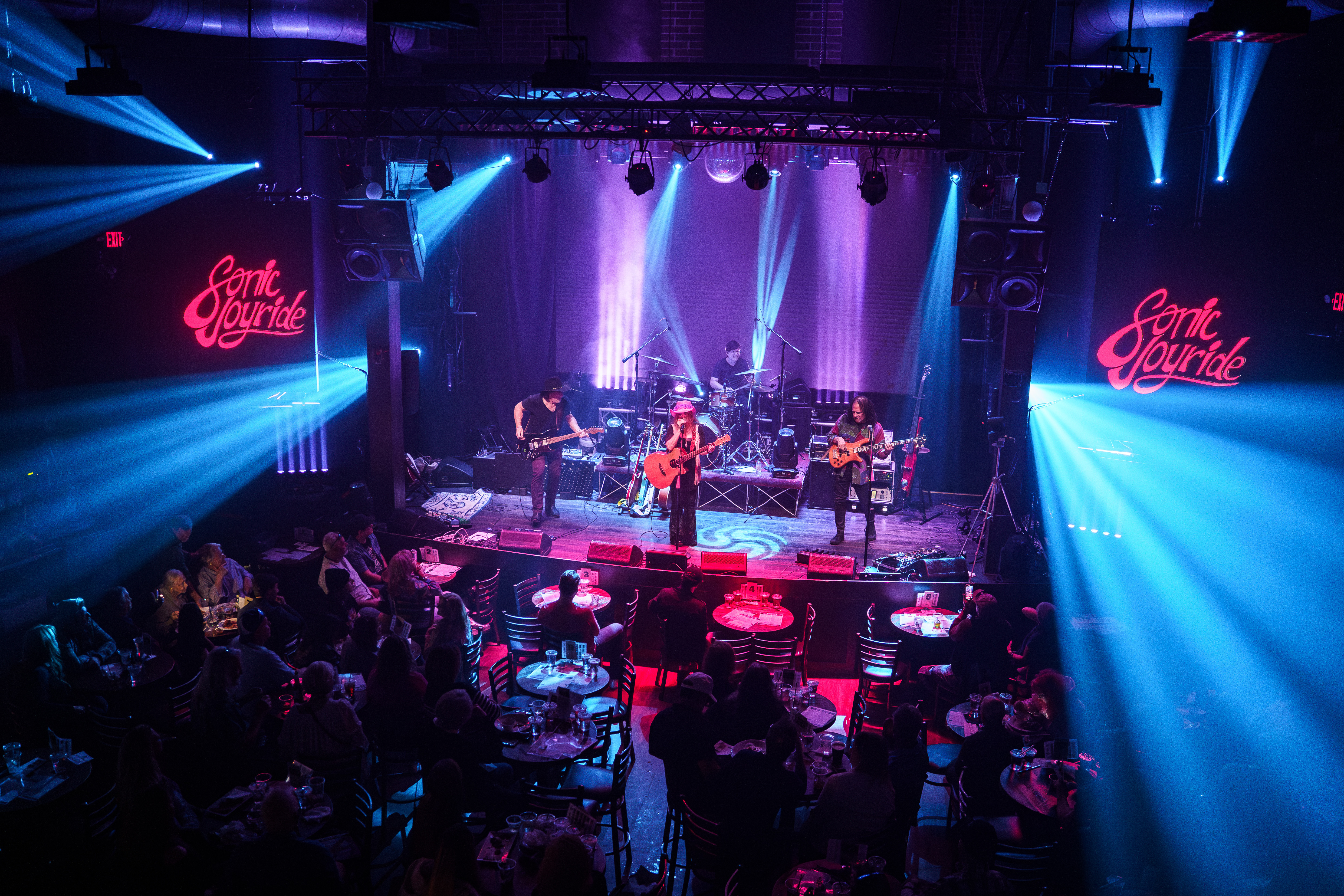
In parallel, Reese has returned to the music of Sonic Joyride — not as a retrospective act, but as a living continuation. The rebooted lineup features drummer Thierry Bergeron, guitarist Tommy Wails, and vocalist Jeannie Caryn, bringing renewed force to the band’s established catalog while honoring the spirit in which it was created. The renewed energy surrounding the music is not revival; it is an opportunity for Reese to carry forward the voice of his longtime friend and creative partner. Through the songs they built together, Hobler’s words continue to reach new audiences as living work.

Sonic Joyride
Sonic Joyride

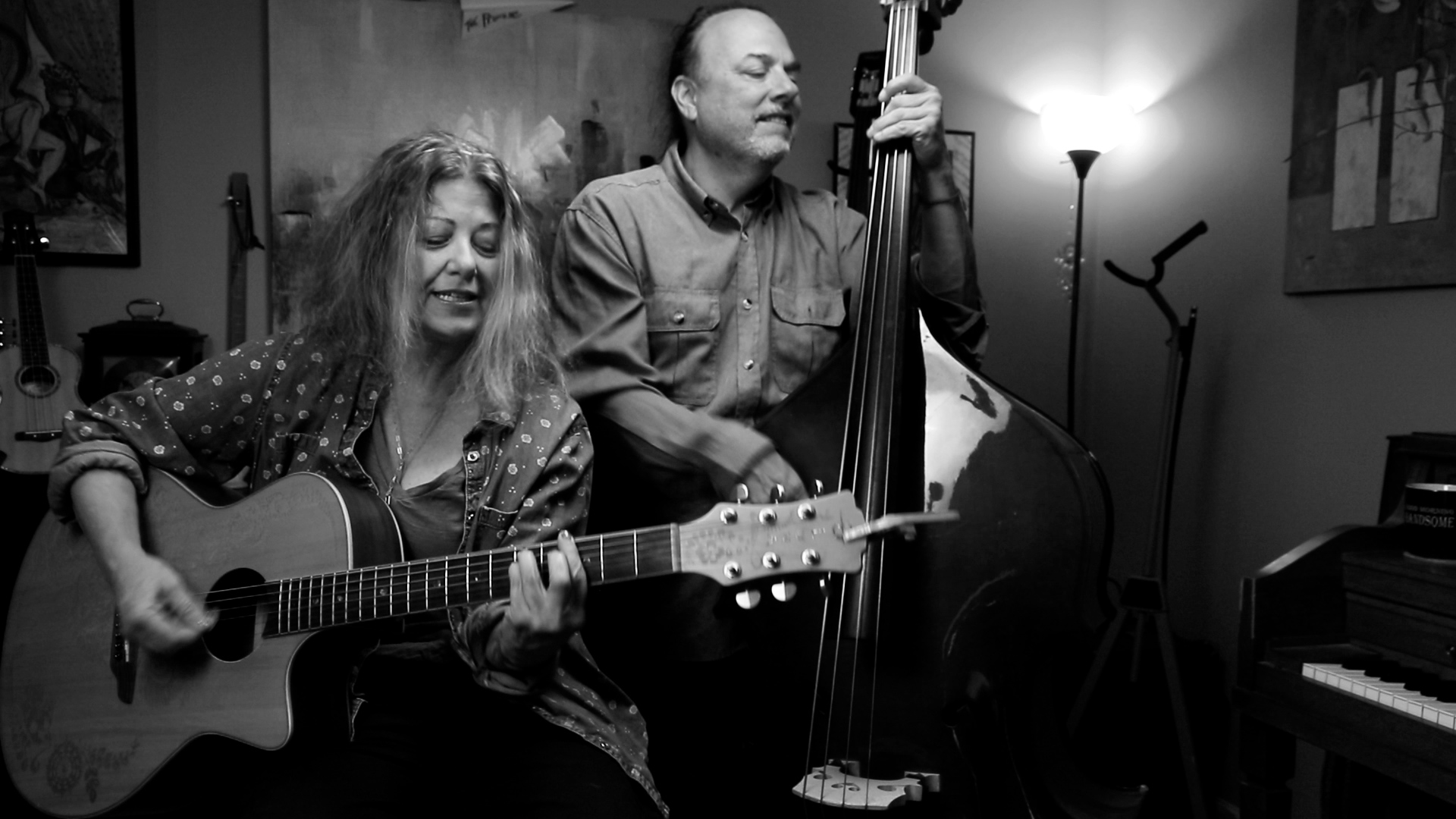
Reese also performs regionally in the duo Bass & Blades alongside Caryn — a stripped-down but high-impact format known for its tight interplay and dynamic contrast between commanding vocals and melodic, lead-forward bass.

Bass and Blades

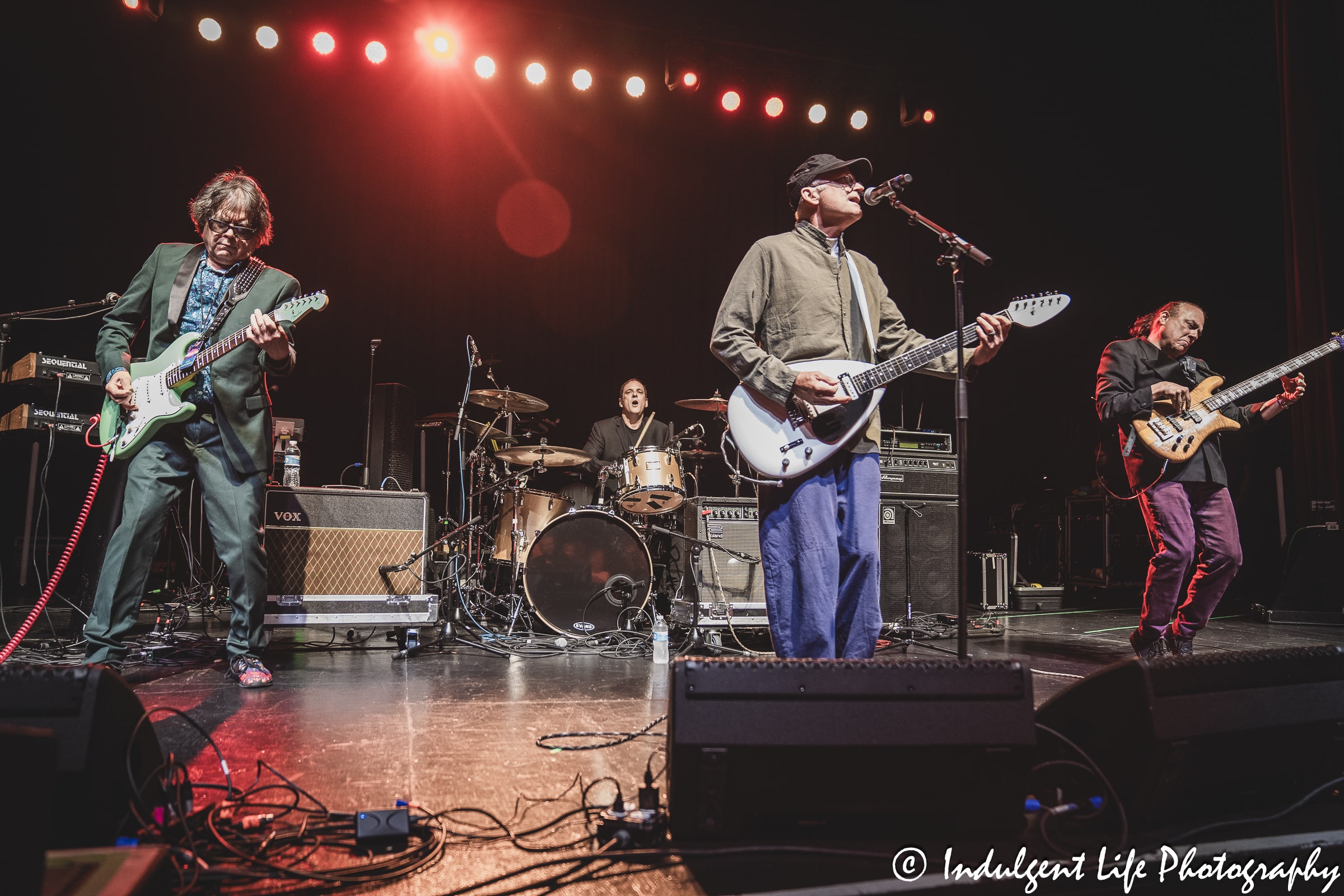
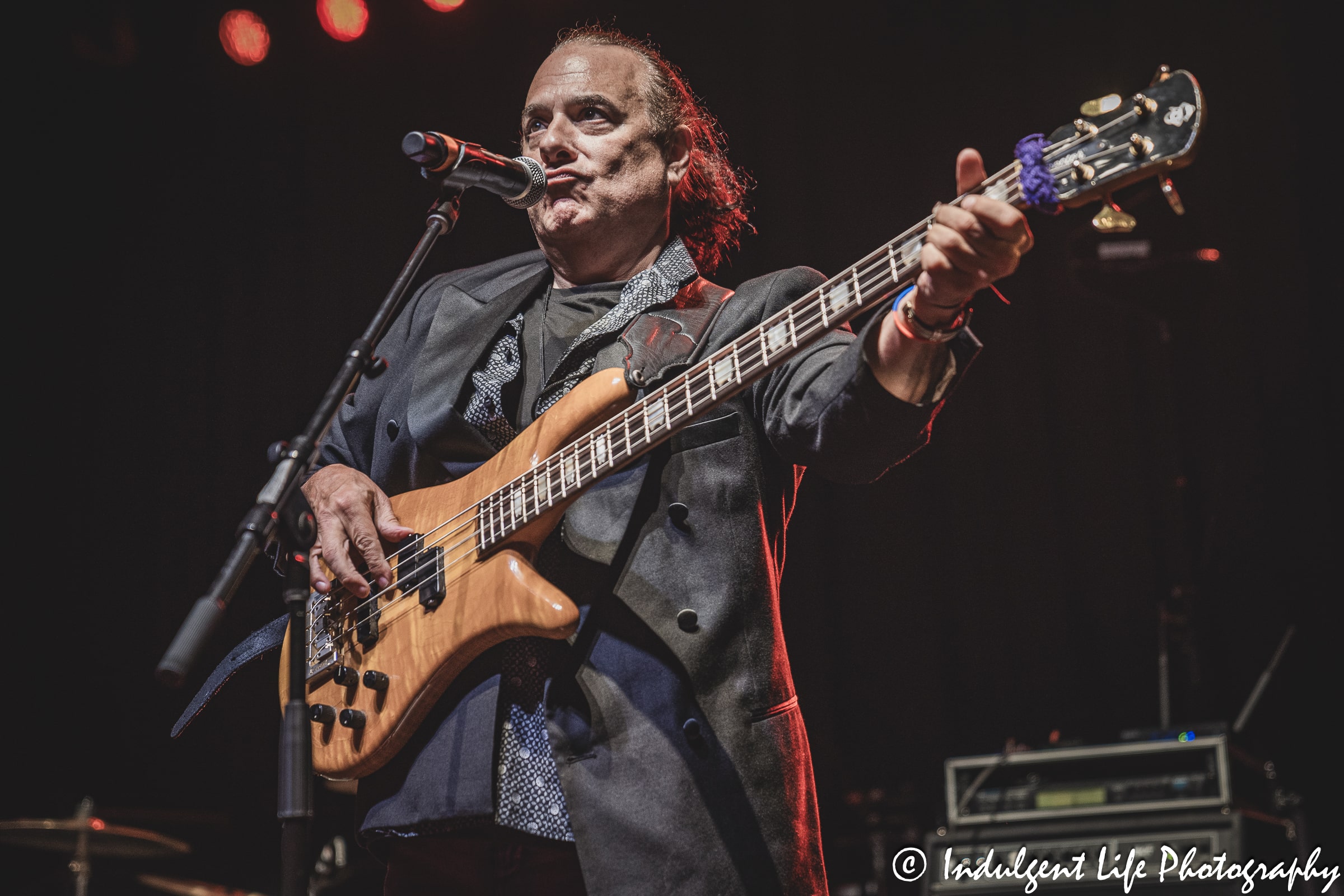
In the summer of 2024, Reese and Blackburn joined forces with Eddie Munoz to perform the music of The Plimsouls on the Totally Tubular Tour, appearing on nearly 30 amphitheater dates across the United States and Canada. Sharing stages with artists such as Tommy Tutone, Modern English, Bow Wow Wow, Men Without Hats, Thomas Dolby, Tom Bailey of the Thompson Twins, The Tubes, and Wang Chung, Reese brought the same grounded authority to large-scale audiences that has defined his career at every level.

More than four decades after first picking up the bass, Rick Reese remains what he always has been: a collaborator, a foundation-builder, and an artist still in motion.

The Plimsouls / Totally Tubular Tour
Rick Reese portrait